8/12/2021
Education and Outreach
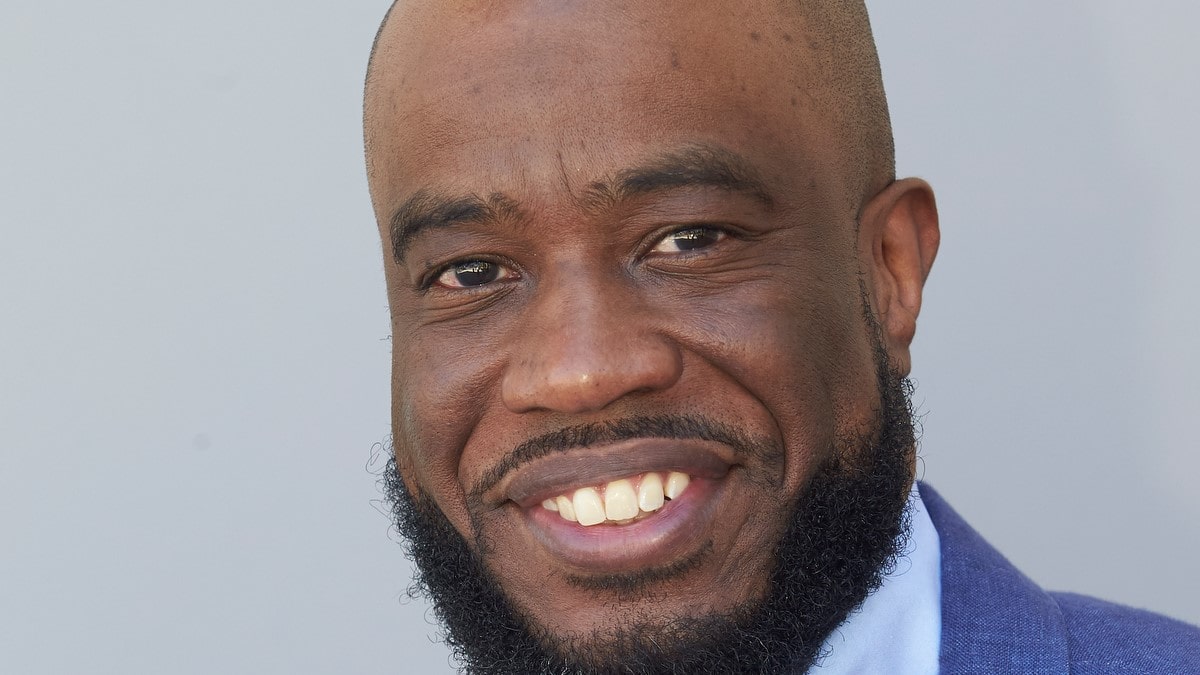
Mike Lang started teaching because of a college professor’s advice, but he continued for a more personal reason.
“I stayed in teaching because there aren’t a lot of Black teachers, and there aren’t a lot of Black male teachers,” explains Lang, technology teacher with Laura Dearing Elementary School. “Black males in particular need to see a role model in classrooms who looks like them and dresses the way they dress, and speaks the way they speak.”
A teacher for 18 years, Lang incorporates inclusivity into all of his teaching.
Striving to ensure that every student feels heard and empowered, he also introduces cutting-edge technologies to students and teachers — with some of his efforts earning nationwide attention.
“(Teaching technology) is not really a choice anymore. The world is a technology marvel,” Lang says. “To make sure students are able to be the citizens, the taxpayers, the Nevadans we need them to be, they need to have the ability not only to utilize current technology, but also the technologies of the future.”
Due to his inspiring efforts, The Smith Center recognized Lang as one of the top 20 teachers for its sixth-annual Heart of Education Awards honoring outstanding Clark County School District (CCSD) educators.
Thanks to support from The Rogers Foundation, Lang received a $5,000 cash award and a $1,000 donation to his school.
“Everything I do, I do because I want to see us win. I want to see our students win, our teachers win, our community win,” Lang says. “That’s where the motivation comes from, and it’s nice to be recognized.”
Inclusivity with Technology
Lang often merges technology with lessons of tolerance and empowerment.
This includes a project with kindergarten and first-grade students that earned the attention of the Apple corporation, which featured the project on its Apple Teacher website.
Celebrating Dr. Martin Luther King Jr.’s legacy, Lang challenged students “to imagine themselves as change makers” by capturing images of themselves and their community, comparing their lives to King’s, then documenting and sharing how they could be of service to each other and their neighbors.
As the school provides every student with an iPad, the students used all Apple applications, he adds.
“It was one of the most amazing things I’ve seen students do, to really see themselves as powerful and people who mattered,” Lang says. “I wanted to demystify Dr. King and show him as a person and equate him to students, so they see they have the same potential to change the world.”
Supporting Other Teachers
When CCSD schools shut down during the pandemic, Lang knew other teachers needed help using technology for distance learning.
He organized daily training sessions with teachers to ensure they could use numerous technologies – not only Google Classroom and Canvas, but also making movies and podcasts.
“I thought it was important to use engaging activities that students would want to do and that we could measure the effect of, instead of just handing them digital worksheets,” he explains.
Fighting Racism with Education
After people nationwide took to the streets in protest over George Floyd’s death, Lang knew he wanted to step up efforts with teaching students about racism.
He collaborated with PBS to launch a four-part “Tools for Anti-Racist Teaching” video series, featuring prominent speakers who shared strategies for culturally relevant practices in the classroom.
“The goal of the series was helping teachers come to grips with their own biases, and being more aware of the necessity to have authentically diverse classrooms,” he says.
With the series available on the PBS LearningMedia website, Lang hopes this will provide a lasting impact on the teaching profession.
“I receive emails from teachers all over the country who have spoken about the need for resources like this,” he says.
Planning to spend his $5,000 cash award to help students in need – like purchasing computers for students without one at home – he dubs it all worthwhile to see students representing themselves in a positive way.
“I always say my students are the creators,” Lang says. “I simply set up a scenario and watch them work.”